
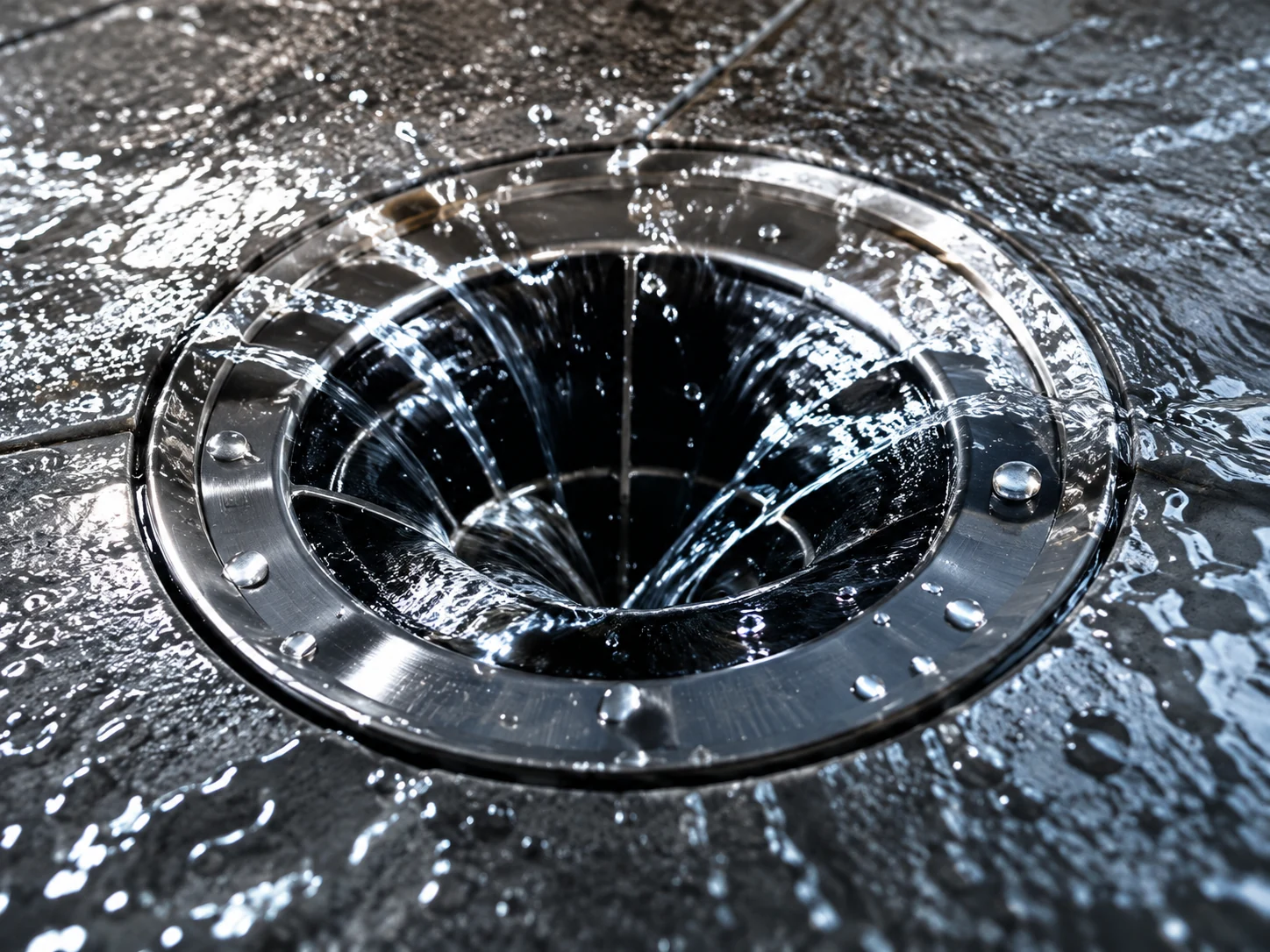
A removable blockage, root intrusion, cracked pipe and full collapse call for different work. The inspection needs to determine whether the blockage is the whole issue or evidence of a deeper defect.
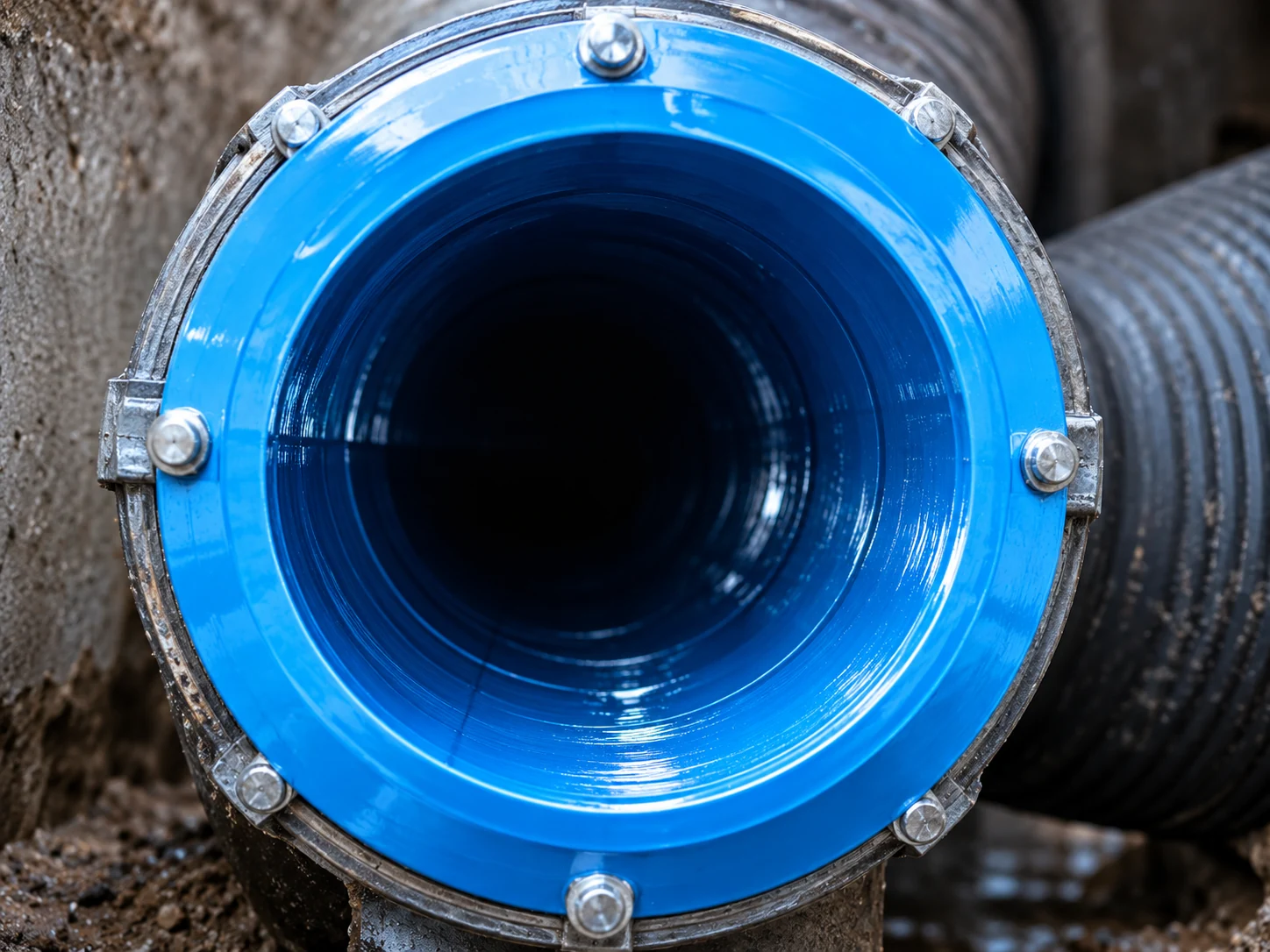
Slow, smelly or overflowing drains can point to a sewer issue. Grade A Plumbing helps Melbourne homes and properties assess the cause and discuss practical repair options.
Repeated blockages, odours or wastewater concerns may need investigation to identify the affected line and possible cause.
A sewer problem can be unsettling, especially when a toilet, shower or floor drain starts backing up. Repeated blockages, unpleasant smells and wet patches in the yard are signs worth acting on before wastewater causes more disruption or damage. For urgent sewer concerns in Melbourne, call (02) 5837 5457; emergency plumbing is available 24/7 where available.
Sewer repairs are not always about digging up the whole yard. The first job is to work out whether the trouble is a simple obstruction, a damaged private pipe, or an issue that needs to be reported to the relevant water corporation. A careful assessment gives homeowners, tenants, landlords, property managers and businesses a clearer basis for the next step.
A single slow basin can be a local waste-pipe blockage, but several fixtures draining slowly at once can suggest a problem further along the sewer line. Watch for a toilet that gurgles when water runs elsewhere, water rising in a shower drain, a persistent sewage odour, or a drain that clears briefly and blocks again. These signs do not identify the fault by themselves, but they are useful observations to pass on during an assessment.
A blockage can build gradually from paper, wipes, fats, objects or accumulated material. It can also be a symptom of a pipe that has cracked, shifted, sagged or been entered by roots. Clearing the immediate obstruction may restore flow, yet a recurring blockage needs its cause checked so that a hidden defect is not left to create another overflow.
If wastewater is coming up inside, in the yard, or from an overflow point, stop using toilets, showers, washing machines and other fixtures that feed the affected line if it is safe to do so. Keep a note of where the water is appearing and whether neighbours or common areas are affected. In Melbourne, the location of a blockage can also matter because private plumbing and the water corporation's network have different responsibilities.
These symptoms help describe the problem, but an inspection is needed to confirm the cause and the best repair.
| What you notice | What it may point to | Useful next step |
|---|---|---|
| Several fixtures drain slowly or gurgle | A restriction in the shared sewer line rather than one trap | Avoid adding more water and arrange an assessment |
| Toilet or shower backs up when another fixture is used | A blockage or reduced capacity downstream | Stop using connected fixtures if wastewater is rising |
| Sewage smell in the yard or near a drain | An overflow, damaged pipe, vent issue or dried trap | Check for visible wastewater and report the location |
| A drain blocks again soon after clearing | Roots, a break, displaced joint or material caught in a defect | Consider a camera inspection to locate the repeat cause |
| A wet or sunken patch along the pipe route | A leaking, collapsed or disturbed underground pipe | Keep clear of the area and arrange professional advice |
If the issue is near the property connection or you suspect the public sewer is involved, contact the water corporation for your area as well as seeking plumbing advice.
Underground sewer pipes do not always fail all at once. Older materials, movement in the ground, poor joints, heavy loads above the line or previous disturbance can leave cracks, offsets or low spots where waste catches. A complete collapse may stop flow quickly, while smaller defects can first show up as periodic blockages or root entry.
A displaced joint means pipe sections are no longer aligned properly. A belly or sag is a low section where water and solids can sit instead of moving through freely. Both can make a line hard to clean effectively, because the pipe itself is no longer providing a smooth, continuous path.
The repair approach depends on the pipe's condition, depth, length and access. A localised fault may be addressed differently from a line that is brittle or damaged in several places. An inspection also helps distinguish a sewer problem from a stormwater issue, as the drainage paths and repair requirements are not the same.
Roots are drawn towards moisture and can enter through an existing crack, loose joint or other opening in a sewer pipe. In older earthenware pipes, even a small defect can provide that entry point. The roots then trap paper and other material, reducing the space inside the pipe and causing repeat blockages.
Removing roots may get the line flowing again, but it does not automatically close the gap they used. Victorian council guidance notes that roots commonly exploit an already compromised pipe and that repeated root intrusion can require the pipe to be repaired, relined or replaced. This is why the condition of the pipe matters as much as the visible root mass.
Do not assume the nearest tree is definitely the cause, or remove a tree as a first response. A camera image and the pipe location provide better information for a repair decision. Where excavation could affect a significant tree, a nature strip, shared land or an easement, the relevant property manager, council or authority may need to be involved before work starts.
A CCTV drain camera may be used to see inside an accessible sewer pipe instead of guessing from symptoms alone.
Explain which fixtures are affected, when the issue began, whether it recurs and where any overflow has appeared. For a rental, unit or commercial site, identify shared areas and who needs to be updated.
An accessible inspection point, boundary trap or other entry point may be needed. Avoid covering or digging around pipe access points until their purpose and location are clear.
Footage may show roots, a blockage, cracks, separated joints, standing water, a collapse or an obstruction. It can also help indicate where along the line the issue appears to be.
The result can guide whether clearing, a targeted repair, relining, replacement or a discussion with the water corporation is appropriate. A camera view is evidence for the decision, not a promise that one method suits every pipe.
For a removable obstruction in an otherwise sound pipe, clearing the line may be the appropriate first action. Where there is a short, accessible damaged section, a targeted excavation and pipe repair may be considered. If the damage runs through a longer section, replacement can provide a new pipe path, subject to what is found on site.
Pipe relining is a trenchless repair option that can sometimes create a new lining within an existing pipe. It may reduce the amount of excavation needed, but it depends on the existing pipe being suitable and on the defect, alignment, access and branch connections. It is not a universal substitute for digging, particularly where a pipe has collapsed, is badly displaced or cannot be prepared properly.
In Victoria, sewer drainage work should be carried out by an appropriately registered or licensed plumbing practitioner. Replacement involves removing and renewing a section or the full affected run. It can be the clearer option where the pipe has extensive structural damage or recurring defects, though it may involve ground works and reinstatement. The sensible choice is based on the inspection findings, the condition of the whole line and the practical impact on the property.
 concept
A recurring sewer problem can have different causes. A suitable assessment helps define which options are relevant.
Both methods can be useful in the right setting. An assessment should weigh the pipe condition and site constraints rather than treating either method as automatically better.
| Consideration | Relining may suit when | Replacement may suit when |
|---|---|---|
| Existing pipe condition | The pipe is sufficiently intact and can be prepared for a lining | There is a collapse, major deformation or extensive structural failure |
| Ground disturbance | Avoiding a long trench is a practical priority and access permits the method | A damaged section is accessible or excavation is needed to correct the fault |
| Fault location and length | The defect and pipe layout are suitable for an internal repair | The route, joins or connections make renewal the more workable option |
| Final scope | A suitable lining can address the identified pipe section | New pipework is needed to restore alignment, grade or damaged sections |
The options are not mutually exclusive: a property can require a targeted excavation in one area and a different repair approach elsewhere.
Excavation can be necessary for a damaged sewer, but good planning helps reduce avoidable disruption and protects underground infrastructure.
Avoid contact with sewage and keep children and pets away from the affected area. Do not walk through contaminated water unnecessarily, and do not let it drain into areas where people may be exposed. If wastewater has come indoors, avoid using electrical appliances or extension leads near it.
Stop using fixtures that feed the affected sewer if you can do so safely. Take photos only from a safe, dry position if they may help with property management or insurance, then arrange urgent assistance. If you think the overflow is close to the sewer connection or public network, report it to the water corporation for your area.
The simplest prevention is to be selective about what enters the sewer. Only toilet paper and human waste belong in the toilet; wipes, sanitary products, cotton buds, dental floss and other items can catch inside pipes even when packaging suggests they can be flushed. In the kitchen, let fats and oils cool and place them in the bin rather than sending them down the sink.
If a line has previously had root intrusion or a structural defect, do not wait for a full overflow before acting on a return of slow drainage, gurgling or odour. Keep any inspection images, repair information and notes about the pipe location with the property's records. This is particularly useful for landlords, owners corporations and managers who may need to plan access or explain previous work.
Before planting trees or undertaking major landscaping, paving or building work, check the likely location of sewer infrastructure and any easements. Melbourne water corporations provide property and asset information for this purpose. Keeping inspection openings and boundary traps accessible can also make future investigation and cleaning less disruptive.
There is no responsible way to quote a firm sewer-repair price from a symptom alone. A slow drain may need straightforward clearing, while the same symptom may come from a broken pipe below paving or a line with multiple defects. A proper assessment identifies the actual work before a firm price can be given.
The main considerations are the fault type and location, the length and depth of pipe involved, access to inspection points, the repair method, and what needs to be moved or restored. Roots, collapsed pipe, multiple branches, shared plumbing and the presence of other underground services can all change the scope. Urgent work outside ordinary hours can also affect the overall job arrangements.
Ask for the proposed scope to be explained in plain language: what has been found, which part of the line is affected, whether the immediate blockage and the underlying defect are both being addressed, and what reinstatement is included. If you are a tenant, notify the landlord or property manager promptly; if you manage a shared property, establish who is authorised to approve the work.
We do not publish fixed prices, because the right figure depends on what is actually found on site. These are the factors that shape a quote, and the proposed scope and price are explained before agreed work proceeds.
A removable blockage, root intrusion, cracked pipe and full collapse call for different work. The inspection needs to determine whether the blockage is the whole issue or evidence of a deeper defect.
A fault close to an accessible opening is different from one beneath a driveway, building area or landscaped yard. The amount of pipe that needs repair or renewal also changes the scope.
Access to inspection points, equipment, the work area and material removal can affect the work involved. Shared properties, restricted entry and occupied commercial sites may need extra planning.
Clearing, a targeted excavation, relining and full replacement involve different processes and materials. Suitability should follow the pipe condition rather than a pre-set preference.
Underground services must be considered before excavation. Paving, driveways, gardens, trees and other affected surfaces may need protection, removal or reinstatement.
An active sewage overflow or an issue requiring urgent attendance can affect how the work is organised. A firm price requires the situation and required scope to be assessed.
Every business prices this work differently, and the figure depends on the assessment outcome, access, parts and whether attendance is outside standard hours. Ask for the proposed scope and price before work starts.
If your situation is urgent, call first to discuss availability and the safest next step.
One slow fixture can be a local blockage in that fixture's waste pipe or trap. When toilets, showers and sinks affect each other, or wastewater backs up at a lower point, the restriction may be further along the shared sewer line. An assessment can trace which part of the drainage system is involved rather than relying on symptoms alone.
A gurgle can happen when water moving through a restricted shared pipe changes the air pressure in the system. It can be an early warning of a partial blockage, root intrusion or another fault downstream. Avoid repeated heavy water use if other fixtures are also slow or backing up, as this can turn a partial problem into an overflow.
Yes. Clearing roots can reopen the flow, but roots may return if the crack, joint gap or other entry point remains. A camera inspection can help show whether the pipe itself needs repair, relining or replacement to address the condition that allowed roots in.
No. The right method depends on what is wrong with the pipe and where it is. Some problems can be cleared or repaired with limited excavation, and some pipes may be suitable for relining, while a collapsed or badly displaced pipe may need excavation and replacement.
The footage is usually referenced to an access point so the location can be related to the site layout, which helps when deciding where a repair may be needed. It can show roots, debris, cracks, offset joints, standing water or a collapsed section, but it does not remove the need to assess access, connections and the surrounding site before the work is agreed.
Responsibility depends on the exact location of the fault, the property layout and the water corporation's connection point. Private internal pipes and shared private drains are often a property-owner or owners-corporation matter, while issues close to or within the public sewer network should be reported to the relevant water corporation. A plumber or the water corporation can help establish where the problem sits.
Stop using fixtures that are feeding the backed-up line if it is safe, keep people and pets away from wastewater, and notify the landlord or property manager straight away. Provide clear details and photos taken safely, including which fixtures are affected and where the overflow is occurring. If there is an active overflow, treat it as urgent and arrange help through the property's approved process.
Not necessarily. The decision depends on the condition, extent and location of damage, as well as whether a suitable repair or lining can address it. An older pipe with recurring root entry, cracks or failed joints needs more than an assumption based on age; inspection findings should guide the scope.
Chemical products may not reach or resolve a blockage deep in a sewer line, particularly where roots or structural pipe damage are involved. They can also complicate work around the drain and create exposure risks. If several fixtures are affected or wastewater is backing up, stop adding products and seek plumbing advice instead.
Note when the trouble started, which fixtures are affected, whether it follows rain or heavy water use, and whether the line has blocked before. Keep any previous plumbing reports, camera footage or property plans available if you have them. For a managed or commercial property, identify site access arrangements and who can authorise work.
General plumbing, safety and compliance guidance on this page was checked against the following Australian sources. Nothing on this page replaces an on-site assessment.

Current availability depends on location and bookings. For immediate danger, contact emergency services.
Browse listed suburbs and contact us to confirm current availability.