
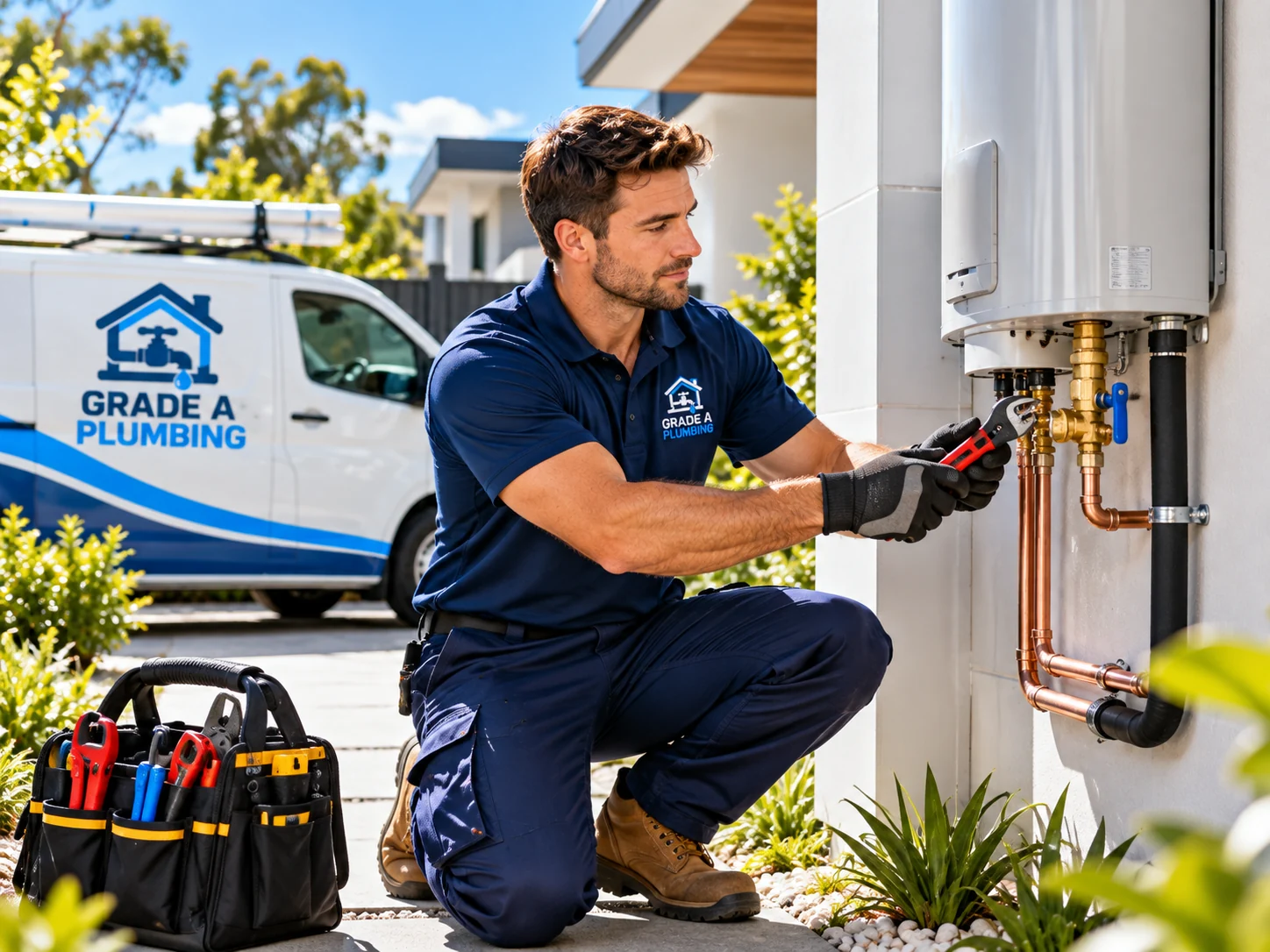
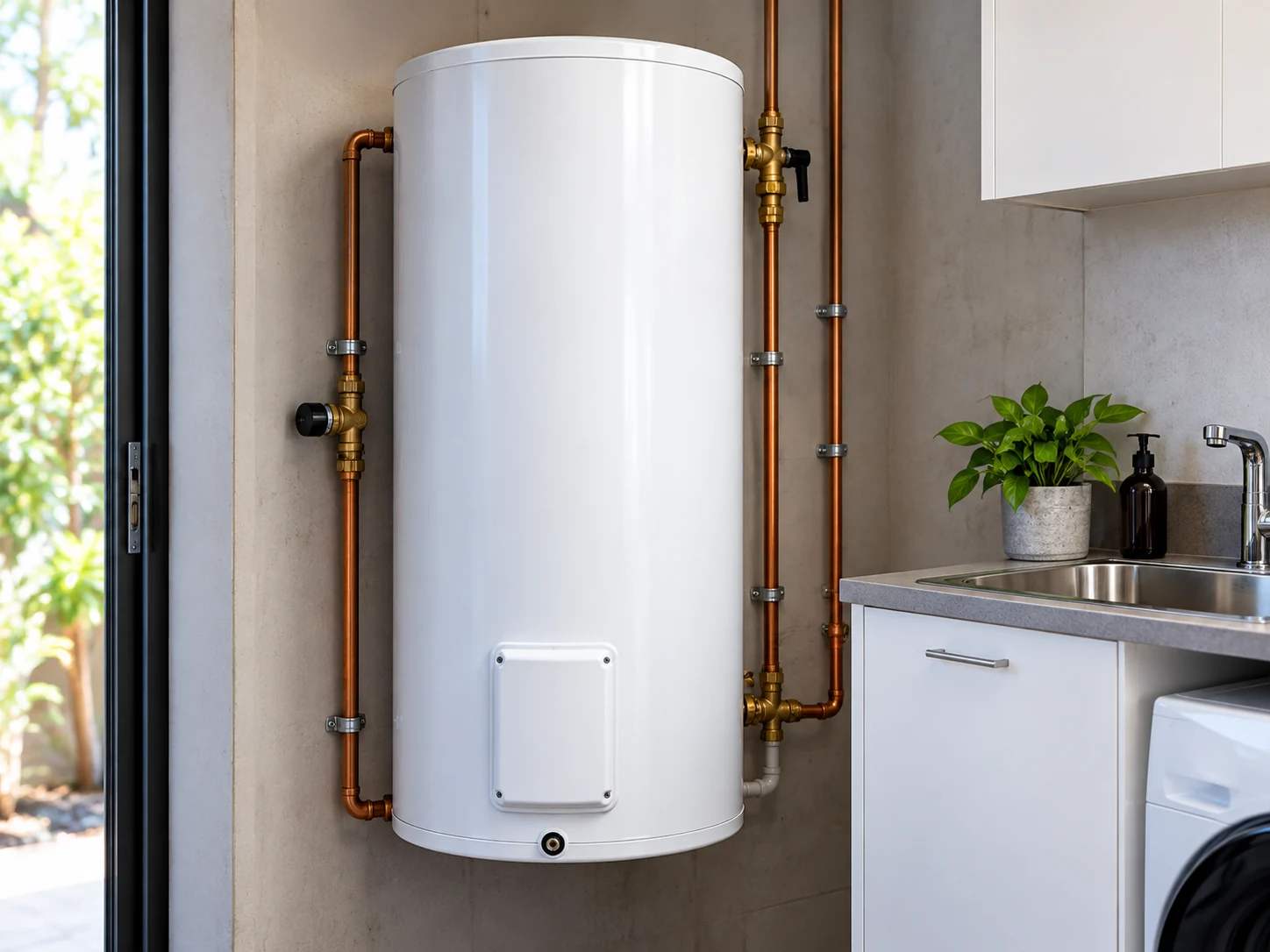
A planned appliance connection, a contained repair and a concealed pipework fault can require very different investigation and labour. A firm price needs the actual condition and scope to be assessed.
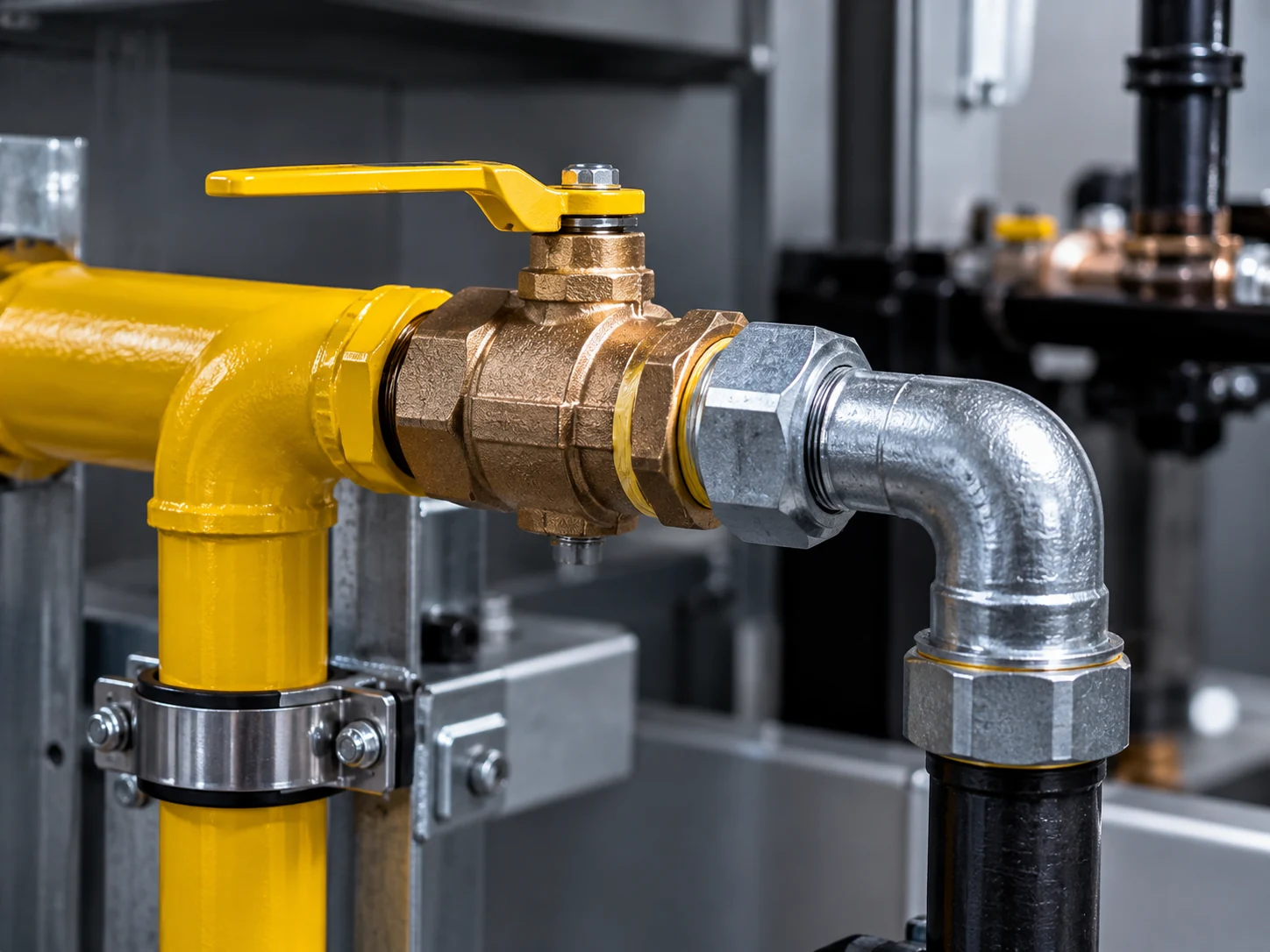
Clear, safety-first help for gas appliances, pipework and connections at Melbourne homes, rentals and business premises. If you suspect a leak, make safety the first priority.
Tell us whether your enquiry concerns an appliance connection, gas pipework or a suspected leak. Do not attempt to inspect or repair a gas installation yourself.
Gas plumbing covers the pipework, controls and appliances that bring natural gas or LPG into use at a property. Whether you are replacing a cooktop, planning a gas hot-water change, dealing with a heater concern or arranging work after a renovation, the right starting point is a proper assessment of the appliance, pipework and location.
Grade A Plumbing takes gas plumbing enquiries for homes, rental properties and commercial premises in Melbourne, VIC. For planned work or a question once the area is safe, call (02) 5837 5457 or email support@gradeaplumbing.store; for a suspected active gas leak, contact the gas distributor emergency line or 000 from a safe place first.
Gas plumbing is not just about a visible pipe or a stove connection. It can involve the consumer gas line after the supply point, appliance isolation controls, ventilation, flues and the way an appliance has been installed. Each part needs to work together so the appliance can operate safely.
Common reasons Melbourne customers seek help include an appliance replacement, a new kitchen or outdoor area, a gas hot-water issue, a suspected pipe fault or a heater that needs attention. Property managers may also need a clear record of a safety check or repair for a rental. The scope should match the actual problem rather than assuming a simple connection will solve it.
If the matter feels urgent, 24/7 emergency plumbing may be available. A possible gas leak is different from an ordinary repair request: follow the safety guidance below and contact the distributor or emergency services from a safe place before arranging any plumbing work.
Leave the building or affected area, keep other people and pets away, and do not go back in to investigate. Do not use electrical switches or devices, flames, cigarettes, matches or gas appliances near the suspected leak.
From a safe place, contact your gas distributor’s emergency line. If there is a fire, immediate danger or an emergency, call 000. Do not try to find, seal, test or reconnect the leak yourself.
Once the immediate risk has been made safe, an appropriately licensed gasfitter can assess gas pipework or appliances that need repair. A gas smell, hissing sound or an appliance behaving unusually should never be treated as something to monitor overnight.
These signs do not diagnose the cause, but they are good reasons to stop using the appliance or area and seek the right help.
| What you notice | Why it needs attention | Safe next step |
|---|---|---|
| A gas smell indoors, near the meter or around an appliance | Escaping gas can present a fire and safety risk | Leave the area, avoid ignition sources and call the gas distributor from a safe place |
| A hissing or blowing sound close to gas pipework or fittings | It may indicate gas escaping under pressure | Keep clear and report the suspected emergency; do not touch the pipework |
| Soot, staining or unusual fumes around a heater, water heater or flue | Combustion or flue performance may need professional assessment | Stop using the appliance and arrange an appropriately qualified gasfitter to inspect it |
| Repeated pilot or burner problems, or an appliance that cuts out | The issue could involve the appliance, gas supply, ventilation or controls | Do not keep restarting it; have the appliance assessed |
| Headache, dizziness, nausea or unusual tiredness while a gas appliance is operating | These symptoms may be consistent with carbon monoxide exposure or another urgent health issue | Move to fresh air if safe, seek urgent medical help and do not use the appliance until it has been checked |
Carbon monoxide cannot be seen or smelt, so a lack of gas odour does not prove a gas appliance is safe.
A new cooktop, oven, heater, hot-water unit or other gas appliance is not a plug-in job. A suitable connection depends on the appliance type, whether the property uses natural gas or LPG, the available gas supply, the appliance location and the manufacturer’s installation requirements. Ventilation, flue arrangements and clearances can be just as important as the pipe connection itself.
Before a kitchen renovation or appliance purchase, it helps to confirm the appliance details and intended location. An assessment can identify whether existing consumer pipework can be used, whether an alteration is needed and whether associated building work affects access, ventilation or a flue. This avoids treating an appliance delivery as proof that it is ready to be connected.
Do not reconnect an appliance that was disconnected for renovations, transport or a previous fault. Gas connection, disconnection, alteration, testing and commissioning work should be undertaken by a suitably registered or licensed gasfitter in Victoria, with the right authorisation for the job.
The right service is determined after the property and equipment have been assessed. Gas plumbing work can include:
The gas line inside a property is generally called consumer piping: the pipework downstream of the gas supply point that serves appliances. A concern may be at an exposed section of pipe, a connection, a valve, near an appliance, under a floor or in another concealed location. The place where a smell is noticed is not always the source, which is why it should be investigated rather than guessed at.
A safe repair starts with locating the issue, assessing the condition and route of the pipework, and considering the connected appliances. Depending on what is found, the practical option may be a repair to a defined section, alteration of the line, replacement of part of the pipework or a different solution. The condition, access, materials, appliance demand and compliance requirements all affect the scope.
Do not dig near a gas line, cut into a wall or remove pipework in an attempt to find a fault. For planned excavation, check underground services first through Before You Dig Australia and make the gas work part of the overall project planning. For any suspected leak, keep clear and use the emergency process instead.
 concept
If you suspect a gas leak, leave the area and contact your gas distributor or emergency services from a safe location. Do not operate appliances or attempt repairs. For other gas plumbing enquiries, call to discuss the appropriate next step.
For a non-emergency issue, a clear process helps the job be scoped safely and avoids surprises.
Share the appliance type, what has changed, where the issue appears to be and whether the property is a home, rental or business. Mention any gas smell, damage or urgency straight away, but use the distributor emergency line first if a leak is suspected.
The gasfitter assesses the relevant appliance, accessible pipework, installation setting and safety considerations. This identifies whether the work is a repair, alteration, replacement connection or a matter needing another approval pathway.
A firm price requires the work to be assessed. The scope should set out the necessary labour, materials, access arrangements and any appliance or compliance considerations rather than relying on a description alone.
Work is completed by the appropriately registered or licensed practitioner for the task. The completed installation or repair is checked and tested as required before an appliance is returned to use.
Ask what records apply to the completed work and keep them with appliance documents, especially for a rental, sale, renovation or future service visit. Where a Compliance Certificate is required, the owner or occupier should receive a copy.
In Victoria, gasfitting work covers much more than fitting a new appliance. It includes construction, installation, replacement, repair, alteration, maintenance, testing and commissioning of gas pipes, appliances, flues, fittings and controls downstream of the gas supply point. That is why a gas connection or repair is not a DIY task.
Use a registered or licensed gasfitter whose authorisation matches the work required, and check a practitioner’s current details through the Building and Plumbing Commission register if you are unsure. Credentials matter because the work can affect gas supply, combustion, ventilation, flue safety and the paperwork required at completion.
Some domestic and light-commercial work is generally treated as a standard gas installation, while complex installations and certain appliances have different processes. If your job involves a larger commercial site, a specialised appliance, a building change or a new supply arrangement, raise that early so the correct pathway can be confirmed.
A safety inspection, an appliance service, a repair and a Compliance Certificate are related but not interchangeable. The records needed depend on the work completed. For standard gas installation work where a Compliance Certificate is required, the licensed gasfitter must provide it to the owner or occupier and lodge it with the Building and Plumbing Commission.
An inspection may consider items such as accessible pipework, appliance condition, gas leaks, ventilation, flues, clearances and safe operation. If a fault or unsafe condition is identified, the right response depends on the finding; it may mean repair, further investigation, appliance servicing or not using the appliance until it is made safe.
Keep gasfitting certificates, service reports, appliance manuals and details of repairs together. They can help a future gasfitter understand what has been changed, and they are particularly useful for landlords, property managers, buyers and renovation planning.
For Victorian rental properties, a gas leak and a failure of supplied gas, hot-water, cooking, heating or laundry appliances can be urgent repairs. A renter should notify the rental provider or property manager, but should still leave the area and contact the gas distributor or 000 first when a gas leak is suspected. Safety does not wait for a maintenance approval.
Rental providers must arrange a gas safety check every two years by a licensed or registered gasfitter, and keep the record. The person carrying out the required appliance safety check needs the appropriate Type A appliance servicing authorisation. Property managers can plan ahead by keeping the latest record, outstanding recommendations and appliance details accessible.
Commercial work can involve more appliances, more people on site and different installation categories. Restaurants, offices, workshops and other Melbourne businesses should provide clear access information, appliance details and any operational constraints when requesting an assessment. Complex installations may require a different approval process before gas is connected.
We do not publish fixed prices, because the right figure depends on what is actually found on site. These are the factors that shape a quote, and the proposed scope and price are explained before agreed work proceeds.
A planned appliance connection, a contained repair and a concealed pipework fault can require very different investigation and labour. A firm price needs the actual condition and scope to be assessed.
The gas type, appliance location, ventilation, flue needs, clearances and manufacturer requirements can affect the work needed for a safe connection or replacement.
Exposed pipework is different from a line under a floor, inside a wall or affected by a renovation. Access and the condition of existing consumer piping influence the scope.
Gasfitting work may need safety checks, testing and documentation. Whether a Compliance Certificate or another approval process applies depends on the type and location of the work.
Homes, rental properties and commercial sites can have different access arrangements, operational constraints and equipment requirements. Complex installations may need additional planning.
Urgent work and work requested outside standard times can involve different availability and arrangements. If a gas leak is suspected, use the distributor emergency process first rather than waiting for a quote.
Every business prices this work differently, and the figure depends on the assessment outcome, access, parts and whether attendance is outside standard hours. Ask for the proposed scope and price before work starts.
If your situation is urgent, call first to discuss availability and the safest next step.
Treat it as a possible gas emergency. Leave the area, keep others away, do not operate electrical switches or devices, and do not use flames, cigarettes, matches or appliances. From a safe place, call your gas distributor’s emergency line; call 000 if there is a fire or immediate emergency, and do not return to investigate the cause.
Do not rely on smell alone to decide whether an appliance or installation is safe. Carbon monoxide is colourless and odourless, and it can be associated with unsafe combustion in gas appliances. Soot, unusual fumes, repeated burner problems or feeling unwell while an appliance runs are all reasons to stop using it and arrange appropriate assessment.
It can be assessed as part of the renovation, but the connection should not be treated as a final delivery-day task. The appliance type, gas type, pipework route, clearances, ventilation, access and any flue requirements need to be suitable. Gas connection and related testing must be done by the appropriate registered or licensed gasfitter.
In Victoria, repair, alteration, installation, testing and commissioning of downstream gas pipework and related equipment are gasfitting work. Use a practitioner registered or licensed for the relevant gasfitting task, rather than attempting a repair yourself. You can check a practitioner’s current registration or licence through the Building and Plumbing Commission.
It is an official record that can be required after particular standard gas installation work. When it is required, the licensed gasfitter provides a copy to the owner or occupier and lodges the certificate with the Building and Plumbing Commission. Ask before work begins whether the proposed scope will require one, and keep the copy with your property records.
That depends on where the fault is, the condition and route of the pipework, the materials, access and the connected appliances. A local repair may be suitable in some cases, while an altered route or replacement of a section may be more appropriate in others. The line needs assessment before a firm scope or price can be given.
Not necessarily. A hot-water fault can relate to the appliance, water supply, controls, ignition, gas supply or another part of the system. Avoid repeatedly trying to restart it, especially if there is a gas smell or unusual noise. An assessment can separate a gasfitting concern from a plumbing or appliance issue.
Energy Safe Victoria and the Building and Plumbing Commission recommend servicing gas water heaters, space heaters and central heaters every two years by a qualified gasfitter. Regular servicing can identify blocked burners, worn safety controls or flue issues that could affect safe operation. Keep the service record and follow any manufacturer maintenance requirements as well.
Victorian rental providers must have a gas safety check done every two years by a licensed or registered gasfitter with the appropriate Type A appliance servicing authorisation. The rental provider must keep the record, and a renter can request the most recent record in writing. A gas leak or failure of a supplied gas appliance may also be an urgent repair, so follow emergency safety advice before normal maintenance steps.
The safety principles are similar, but commercial premises can have different appliances, demands, site access issues and approval requirements. Domestic and light-commercial work is generally standard gas installation work, while complex sites and particular equipment can require a separate acceptance process. Give full site and appliance details at the assessment stage so the required pathway can be identified.
General plumbing, safety and compliance guidance on this page was checked against the following Australian sources. Nothing on this page replaces an on-site assessment.
Current availability depends on location and bookings. For immediate danger, contact emergency services.
Browse listed suburbs and contact us to confirm current availability.