
Longer runs, larger or smaller pipe sizes, changes of direction and difficult routes affect the liner design, materials and time required. The repair cannot be accurately scoped from the fixture symptom alone.
Pipe relining may renew suitable damaged drain sections from inside the pipe. An assessment comes first, so you can weigh relining against repair or excavation.
Relining is not suitable for every drain. Pipe condition, access and inspection findings determine which options should be considered.
A recurring blocked drain, foul smell or damp patch can make it feel as though the garden, driveway or floor will need to be dug up. Pipe relining is one way to repair some damaged underground drains with less excavation, by forming a new lining inside the existing pipe. It is not the right answer for every fault, so the first job is finding out what has actually happened underground.
For Melbourne homes, rental properties and commercial sites, a condition assessment helps identify a simple blockage, a damaged private drain or a possible network issue. Grade A Plumbing can help you discuss an assessment and practical repair options.
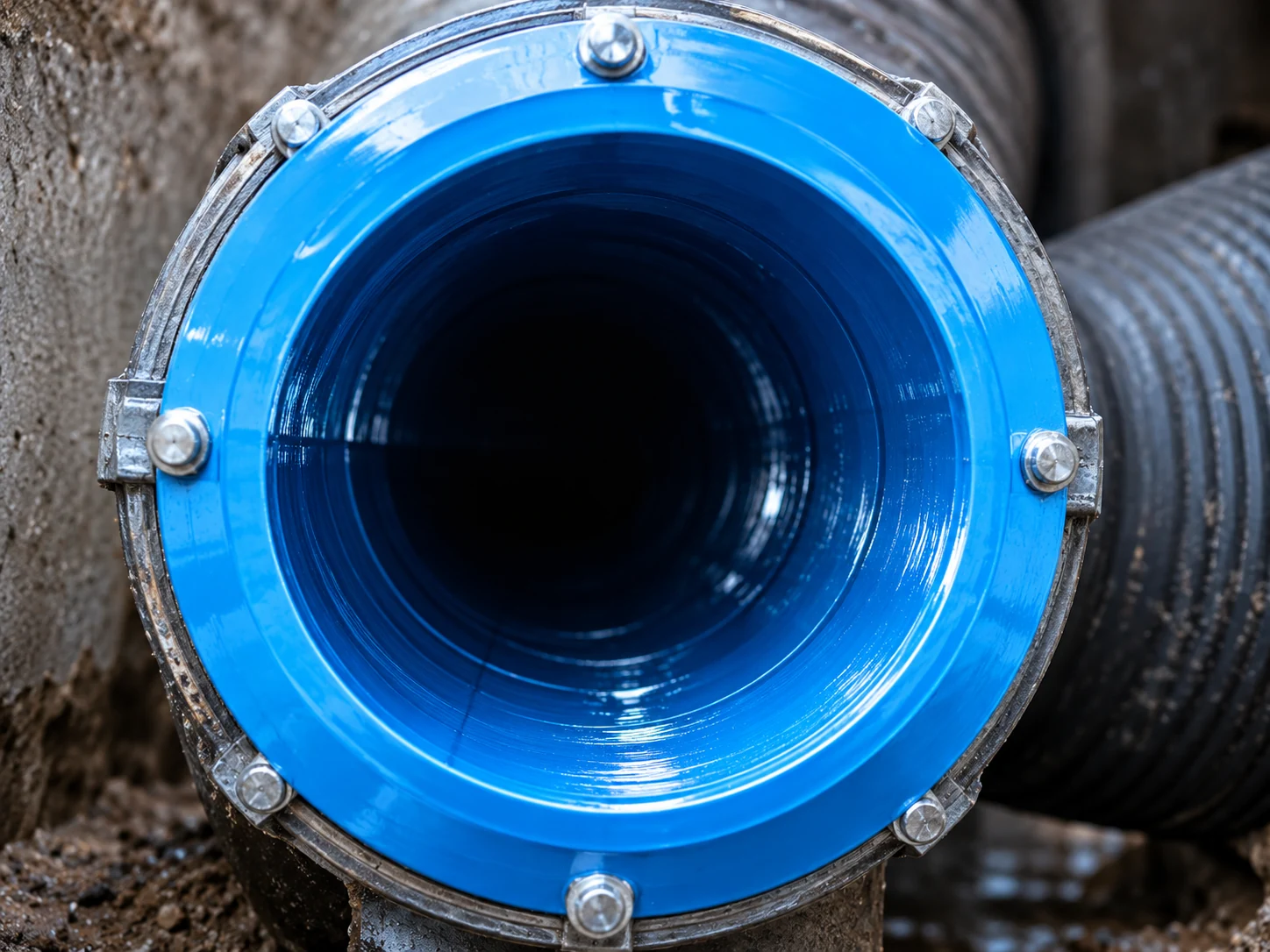
Pipe relining is a trenchless repair method for a suitable section of pipe. A flexible liner is placed inside the cleaned original pipe and set in position, creating a smooth new pipe wall within it. In plain terms, the existing pipe becomes the outer shell that supports the repair.
It is most often considered for underground drainage or sewer pipes where digging would disturb paving, landscaping, a driveway or parts of a building. Trenchless does not mean disruption-free: access points, cleaning, inspection and any local repairs still matter. The pipe's route, damage and access decide whether relining is a sensible option.
Relining is not a shortcut for an unknown drain problem. It is a repair option chosen after the pipe has been located, cleaned and assessed. That order matters because the same slow drain can be caused by ordinary debris, root intrusion or a pipe that has moved out of line.
An inspection may be useful when you have a pattern that points beyond an ordinary one-off blockage, such as:
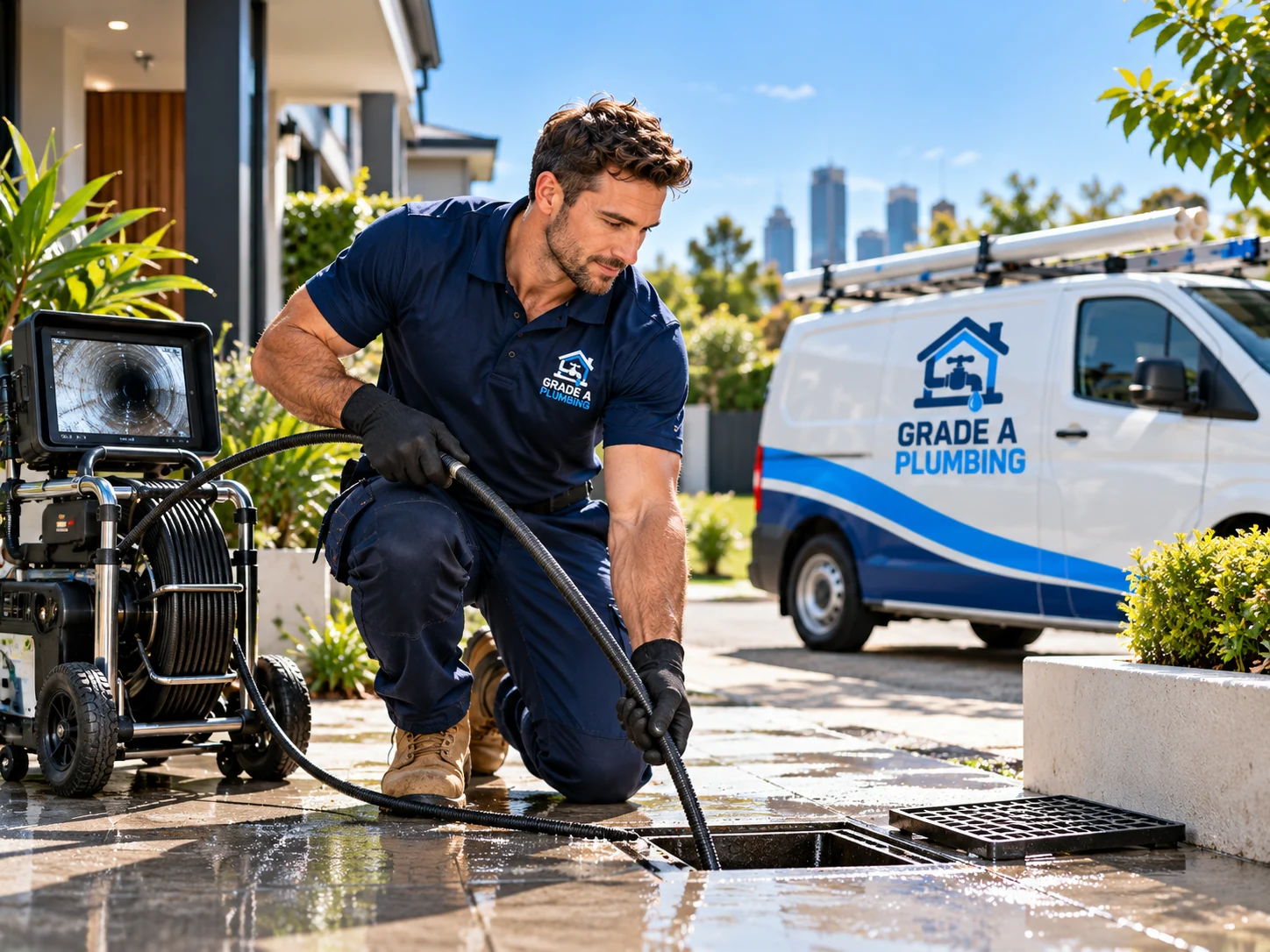
A CCTV drain camera may be passed through an accessible opening to view the inside of a pipe. The footage can show where a blockage sits and whether there are roots, cracks, separated joints, a change in pipe level or a section that has collapsed. It also helps map the problem against access points and the property layout rather than guessing from surface symptoms.
The assessment needs to consider the full affected run. A blockage from wipes, fat or debris can sit alongside structural damage that keeps causing trouble. Where the fault is near a boundary, locating it can help establish whether it is in private plumbing or the water corporation network.
The camera report is more useful when it records the issue in relation to a known access point and gives a clear view before and after cleaning. It can support a conversation about whether a repair is local or affects a longer section. A camera view cannot always show every condition outside the pipe, which is why the site, access and pipe behaviour are considered too.
The exact sequence changes with the pipe and the relining system, but a careful job commonly follows these stages:
A camera assessment and site check establish the pipe route, material, damage, diameter, access and any connection points. This is where relining is compared with excavation or another repair.
The drain must be flowing and free of loose obstructions before it can be lined. Root growth, scale, grease and debris may need to be removed without worsening a fragile pipe.
Cleaning helps the new liner sit evenly against the inside of the existing pipe. The team also checks that the pipe shape and remaining structure are suitable for the proposed liner.
A liner system is positioned through an appropriate access point and formed against the pipe wall. It is then cured or set using the method selected for that system.
If the lined section includes branch connections, they may need to be reopened after the liner has set. Whether this is required depends on the layout and the repair method.
A final camera check may be used to confirm the repaired section is open, continuous and connected as intended. Keep the report or footage with your property records where it is provided.
Both methods can be appropriate. The best choice depends on the condition of the pipe, what is above it and whether a durable repair can be made safely.
| Question | Pipe relining may suit when | Excavation may suit when |
|---|---|---|
| Pipe condition | The pipe has a usable pathway and damage that a liner can bridge or seal. | The pipe is badly collapsed, crushed, severely misaligned or missing. |
| Surface disruption | Avoiding disturbance to suitable paving, gardens or finishes is important. | Open access is straightforward and replacement is the more reliable option. |
| Access | There are workable entry points for cleaning, lining and inspection. | A damaged area cannot be properly reached or prepared from available access. |
| Pipe layout | The run and connections can be managed by the chosen lining approach. | Complex changes in direction, junctions or falls call for rebuilding a section. |
| Outcome | A continuous internal lining can address the confirmed defect. | The repair needs pipe replacement, regrading or a change to the layout. |
A camera inspection and an on-site assessment are needed before deciding. A lower-disruption option is only useful when it can properly address the underlying fault.
Relining cannot turn every failed pipe into a sound one. A pipe that has fully collapsed, has major sections missing, is heavily deformed, has an unsuitable fall or cannot be cleaned and accessed may need excavation and replacement instead. Large breaks, unstable ground and damage at difficult connections can also change the recommendation.
The liner adds a new internal wall, so it slightly reduces the available internal diameter. That is usually considered as part of the design, along with flow needs and branch connections, but it is one reason an assessment comes before any decision. If an excavation is required, a targeted repair may still limit the area that needs to be opened.
A pipe can look open enough for a camera while still be too unstable or uneven for a sound lining repair. The assessment needs to consider whether the existing pipe can support the liner along the proposed run, not just at the damaged spot. If it cannot, replacing that section may be the safer long-term choice.
conceptInspection and access details inform whether a lining approach should be considered. No method or outcome is guaranteed by this preview.
If sewage or wastewater is backing up, keep children and pets away and reduce water use where you can. Do not touch standing water near electrical appliances, leads or outlets, and seek urgent help if there is an immediate electrical hazard. Take photos for your records only if it is safe to do so.
A drain issue is not a reason to handle a suspected gas fault yourself. If you smell gas, leave the area, do not use electrical switches, flames or appliances, and contact your gas distributor's emergency line or call 000 from a safe place if there is a fire or emergency.
A proper price depends on what the camera and site assessment reveal, not just the symptom at a sink or toilet. Pipe size and length, damage, cleaning, access, connections and any restoration all affect the scope. A firm price needs the work to be assessed.
It is worth comparing the full practical impact of each option, rather than comparing a single repair line alone. For example, excavation may involve reinstating concrete, pavers, landscaping or an internal finish, while relining may involve specialised preparation and access. Ask for the proposed scope to say what is included, what is excluded and what could change if hidden damage is found.
Before accepting a quote, check whether inspection, clearing, liner installation, reconnection work, final inspection and any excavation contingency are described. This makes it easier to compare proposals that use different repair methods. It also gives you a clearer basis for deciding whether a lower-disruption repair represents good value for the condition found.
A relined pipe creates a new internal barrier over the repaired section, but performance depends on suitable design, preparation and installation. Ground movement, damage outside the lined run, poor drainage habits and new root pressure can still create issues elsewhere. Keep any inspection record, scope and product information supplied for the repair.
After repairs, use drains for their intended purpose and keep fats, oils, wipes, sanitary products, paint and harsh chemicals out of the sewer. These materials can cause fresh blockages even if the lined section is sound. If slow drainage returns, arrange an assessment rather than repeatedly relying on chemical drain cleaners.
If the original issue involved trees, consider the whole pipe route rather than assuming one repair removes all future root risk. A separate unlined section can still crack or allow roots to enter. Periodic investigation is more useful than waiting for repeated severe backups.
Tenants should tell the rental provider or property manager about a drain issue promptly, especially where wastewater is backing up. Owners, landlords and managers can then organise access, check the pipe responsibility and approve the appropriate repair. Do not assume a shared line is automatically a water corporation asset: some combined drains remain privately managed.
For a commercial property, the repair needs to consider access, trading activity, hygiene and any connected tenancies as well as the pipe itself. Planning the inspection and repair sequence can reduce unnecessary interruption. In Victoria, plumbing and drainage work should be carried out by appropriately registered or licensed practitioners for the work involved.
Where a line serves more than one tenancy or lot, make sure the relevant decision-makers understand the proposed route and access requirements before work begins. This can avoid delays where access to a neighbouring area, common property or a boundary point is needed. Keep the inspection information with the building records for future maintenance planning.
We do not publish fixed prices, because the right figure depends on what is actually found on site. These are the factors that shape a quote, and the proposed scope and price are explained before agreed work proceeds.
Longer runs, larger or smaller pipe sizes, changes of direction and difficult routes affect the liner design, materials and time required. The repair cannot be accurately scoped from the fixture symptom alone.
A local crack, recurring root entry, separated joints and extensive deformation do not require the same repair approach. A camera assessment helps identify whether the defect is suitable for relining or needs excavation.
Roots, grease, scale, debris and obstructions may need to be removed so the pipe can be inspected and prepared. Fragile or obstructed pipework can add complexity to this stage.
Available access points, the need to locate buried openings and the position of the pipe beneath a building, paving or landscaping can affect the work involved. Restricted access may also influence whether relining is practical.
Branch lines and junctions within the repaired run may need to be identified and managed as part of the work. Their number and layout can change the scope.
If the assessment finds a collapsed section, unsuitable access or a fault beyond the proposed lining, separate repair or replacement work may be needed. Any surface restoration should be clearly set out in the scope.
Every business prices this work differently, and the figure depends on the assessment outcome, access, parts and whether attendance is outside standard hours. Ask for the proposed scope and price before work starts.
If your situation is urgent, call first to discuss availability and the safest next step.
Pipe relining is a way to repair a suitable damaged pipe from the inside. A new liner is formed within the cleaned existing pipe, so the old pipe can act as a support around the repaired section. It is commonly considered for underground drains where excavation would be disruptive, but suitability must be confirmed first.
It may be possible if the roots can be removed, the pipe can be cleaned and its remaining shape is suitable for lining. The camera assessment needs to check the full run for cracks, shifted sections and root entry points. If roots have caused a collapse or major distortion, excavation may be the better repair.
Usually, a fully collapsed or badly crushed section cannot provide the clear, stable pathway needed to install a liner. A camera may show that excavation and replacement are required for all or part of the pipe. The goal is a repair that addresses the failure, not simply the least visible method.
A camera inspection is a practical way to see the location and nature of internal pipe damage before choosing a repair. It can reveal issues that are not obvious from a surface symptom, including roots, gaps, fractures or a change in level. It also provides a baseline for deciding whether relining is feasible.
Not necessarily. Relining is intended to work through suitable access points, which can reduce the need to excavate along the whole pipe route. Some digging may still be needed to create access, deal with an unsuitable section or repair connections, so it should not be promised away before inspection.
Relining is most often assessed for drainage and sewer pipework, but the type of pipe, its use, condition and access all matter. Different pipes and uses may require different repair methods or may not be appropriate for relining at all. A plumber needs to identify the pipe and inspect it before recommending a method.
Its service life depends on the liner system, the pipe condition, installation quality, ground movement and how the drain is used after repair. No useful lifespan can be confirmed from a symptom alone. Ask for the proposed repair scope and any applicable product or workmanship terms in writing before authorising the work.
That depends on which pipe is affected, where access is required and whether toilets, sinks or other fixtures need to be kept out of use while work is underway. Many jobs may be planned around occupied properties, but there can be temporary limits on water use. The assessment should explain the likely access and service interruption for your particular site.
Yes. The new internal liner takes up a small amount of the original pipe diameter. Whether that matters depends on the pipe size, layout, flow needs and the liner proposed. This is one of the technical checks that should be considered before deciding to reline.
A tenant should report the issue promptly to the rental provider or property manager, particularly if sewage is overflowing. Responsibility can depend on the lease, whether the drain is private or shared, and in some cases the owners corporation or water corporation boundary. A site assessment can help establish where the fault is before the repair path is agreed.
General plumbing, safety and compliance guidance on this page was checked against the following Australian sources. Nothing on this page replaces an on-site assessment.
Current availability depends on location and bookings. For immediate danger, contact emergency services.
Browse listed suburbs and contact us to confirm current availability.